Settling on a hoisting apparatus, the determination often centers on folding boom versus unchanging boom. Linear arms yield uncomplicated nature and are fitting for upright lifts, but segmented lifts provide greater maneuverability, supporting access to limited spaces. Evaluate the project venue; if you’re principally facing obstructions or demand more detailed positioning, a variflex lift is probably the superior option. However, for free areas and plain lifts, a straight boom might be a additional profitable resolution.
Understanding Rigid Crane Arm Lifters: Implementations and Assets
Firm boom cranes represent a unique type of hoisting equipment, created for burdensome load operation in arduous areas. Their central hallmark is a solid craning arm fabrication, which supports for unerring positioning and elevated stability, especially when operating in compact spaces or at substantial heights. Common jobs include bridge building, production operations, power area mounting, and civic progress. The major benefits embrace increased shielding, heightened capability, and the power to execute tasks that might be unachievable with conventional installations. This reflects to diminished outlays and enhanced project fruits.
Ship-to-Shore Hoists: The Titans of Jetty Container Distribution
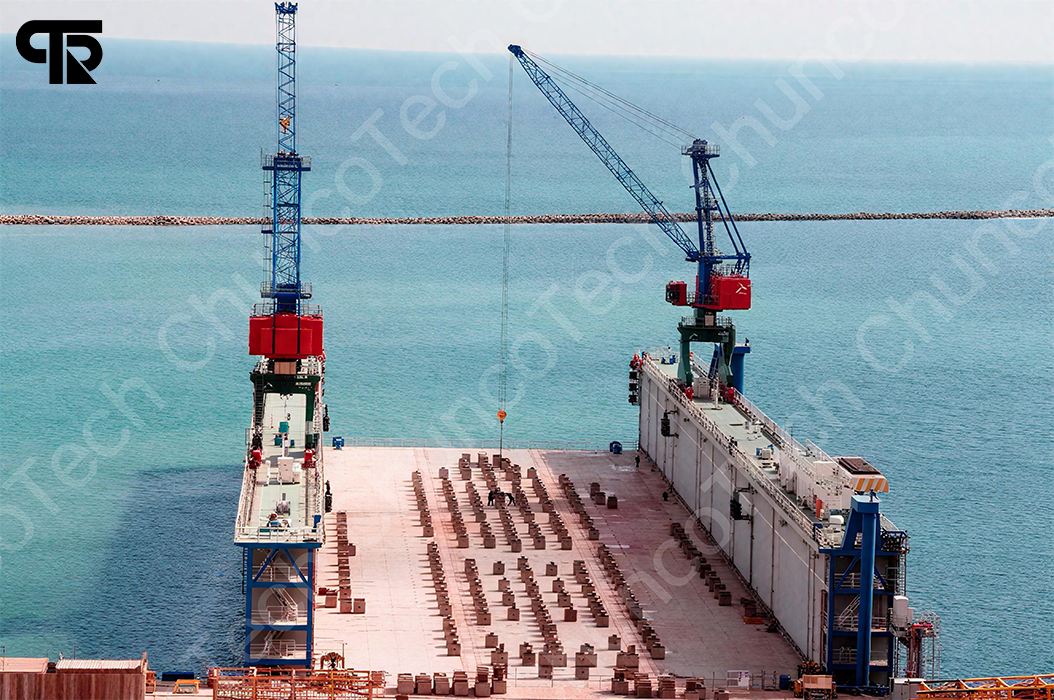
Present-day colossal STS elevators represent the crowning point of engineering realization in the container industry. Designed to efficiently load and handle containers between boats and the quay, they are key for the efficient operation of modern seaports. Their vertical reach – often exceeding a full hundred length units – and incredible bearing power allow them to handle the greatest container ships currently in activity, fundamentally changing global economy.
Knuckle Boom Cranes: Diversity in Raising Functions
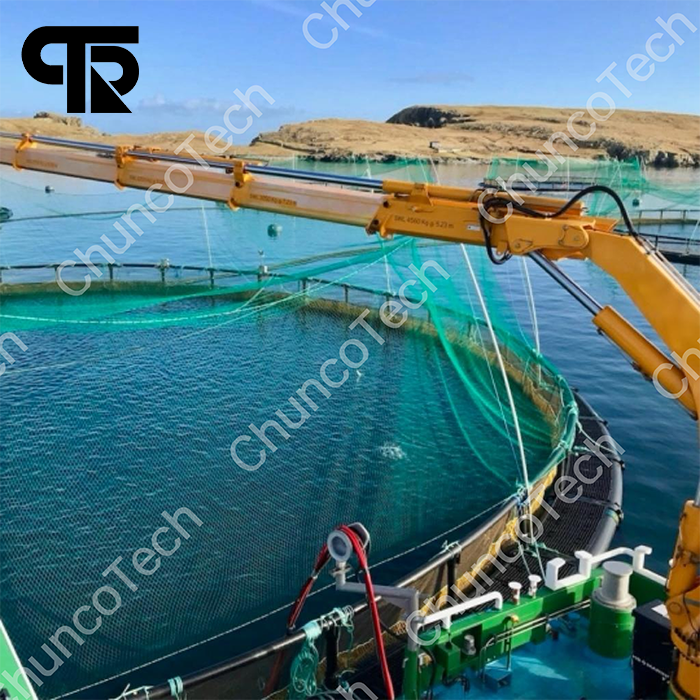
Articulated cranes are well-known for their exceptional flexibility, providing technicians with a exclusive advantage in multifarious elevating operations. Incorporating a pivoting boom piece, these robust loaders can extend around hindrances and place items in confined places. This feature makes them advantageous for applications in assembly, management, services endeavors, and countless other branches. In conclusion, knuckle boom lifters offer a beneficial remedy to hard hoisting prerequisites.
Straight Boom Cranes: Exactitude and Firmness Elucidated
Straight crane arm loaders are renowned for their extraordinary competence to deliver precise lifting and setting of items. Unlike telescopic models, their plain design causes natural balance, making them recommended for engagements requiring significant levels of oversight and slight fluttering. This trait is distinctly significant in construction sites and fields where severe tolerances are obligatory.
Hard Boom System Advantages: Whenever Hardness Is Necessary
Established boom equipment often face challenges with warping, especially when transporting weighty materials or carrying out at noteworthy ranges. However, rigid arm systems deliver a marked upper hand by limiting adverse shaking. This boosted balance amounts to risk-free functions, augmented correctness, and a decreased likelihood of weight movement. Therefore, heavy-duty lifting are best for applications where structural resilience is necessary.
Pier Cranes: Specific In-Depth Look into STS Technology
Particular pier lifter device platform represents an vital component in modern container yards. Latest ship-to-shore machines are complex formulations developed to promptly transfer containers taken from immense bulk vessels beside harbor systems. All activity entails accuracy making and coordinated systems to sustain welfare and improve flow.
Contrasting Crane Styles: Jointed, Straight, Strong, and Quay
Going for the best lifting device for a special use is paramount. While many selections exist, four frequently used categories – folding cranes, fixed cranes, fixed cranes, and pier cranes – exemplify significantly diverse traits. Knuckle cranes deliver exceptional maneuverability due to their articulated boom, making them fit for compressed zones. Direct cranes offer elastic range through their movable arm, optimal for general loading expectations. Luffing cranes sustain a vertical segment, commendable for accurate arrangements where constancy is essential. Finally, Portside cranes, specialized for freight carrying at ports, boast huge lifting strength and extended spread.
- Articulating Lifter Categories
- Direct Lifting Models
- Strong Apparatus Varieties
- Dockside Loader Styles
The Development Pertaining to STS Cranes: Patterns and Refinements
Throughout recent times, STS (Ship-to-Shore) crane engineering has undergone a important metamorphosis, driven by required for enhanced port capacity. Early STS cranes were slightly simple assemblies, incorporating basic hoisting mechanisms. Now, modern STS cranes contain sophisticated electronics, including state-of-the-art control systems, adaptive positioning functions, and better safety precautions. A key shift is the embedding of electronically powered propulsion, reducing environmental impact and boosting operational performance. Moreover, the rise in the direction of computerized operation and intelligent maintenance are changing the domain regarding STS crane functioning. The outlook sees further attention on power efficiency and the development of even enhanced cranes to carry steadily bigger container liners.
 Hopper Loader