Welcome,
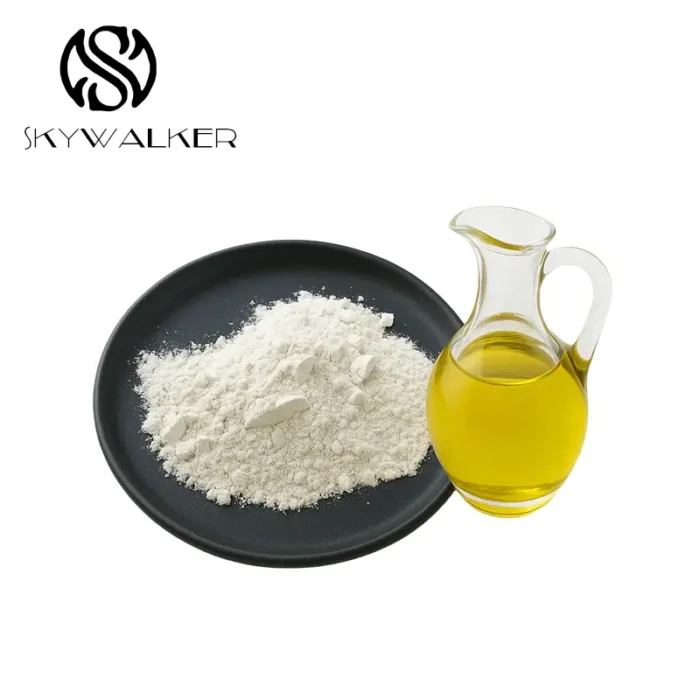
Microfossil dust, frequently called DE, portrays a exceptional raw filtration process. Recovered from the fossilized remains of microscopic microorganisms, this granular material boasts a unique structure – millions of tiny, perforated chambers creating a expansive surface area. This construction provides exceptional refining capabilities, effectively removing debris from liquids. It’s a reliable and sustainable preference to chemical filters across various markets, including swimming filtration, wine processing, and farming systems.
Microfossil Aid: An Elaborate Description for Clearer Outputs
Obtaining sparkling consequences in your production actions often utilizes effective cleansing methods. Diatomite filter aid, a potent natural compound, offers a considerable improvement, acting as a layer to trap debris that would otherwise pass through your block. This guide will discuss how diatomaceous earth – often simply called diatomite – works, its manifold applications in drink processing, and advantageous tips for maximal performance. Proper deployment of diatomite can dramatically enhance the standard of your final manufacture, leading to exceptional taste and finish.
Kieselguhr Overview: Roles, Benefits, and Protection
Natural sediment, also known as diatomaceous dust, is a usual sedimentary bed composed of the fossilized remains of single-celled plants. It's primarily composed of silicon dioxide, siliceous mineral, and has a remarkably porous structure. This unique composition lends itself to a assortment of applications across widespread branches. Here's a look at its utilizations:- Separation: Frequently utilized in fluid refining and brewery operations to remove impurities.
- Bug Control: Acts as a harmless insect management by damaging the exoskeletons of insects.
- Refining: Employed as a light scouring agent in shining agents.
- Therapeutics & Cuisine: Can be mixed into anticaking agents and inactive ingredients in certain formulations.
Opting for this Appropriate Filtering Aid Material: Guidance relating to Personal Procedure
Determining your ideal filtering product powder class constitutes critical with regard to realizing powerful processing throughout that procedure. Examine scrupulously features comprising particle extent, flow circulation, cake development, and chemical affinity with that fluid. Traditional selections contain diatomaceous powder, perlite and cellulose threads, each featuring different performance traits. Proper examination of these factors will assist you identify that most aligned purification agent solution.
Microfossil Powder vs. Alternative Straining Supports: Preferred Pick?
Whenever selecting a purification aid for your process, multiple options are found beyond basically fossil powder. While DE remains a favored method due to its slight particle scale and excellent separating skills, counterparts like volcanic glass and fiber particles deliver particular advantages. Eventually, the top-notch choice rests on factors particularly price, productivity, agreement with your specific medium and the expected rank of clarity.
Diatomite Mechanics: Form and Purification Features
Earth Sediment is a uncommon sedimentary rock formed from the fossilized remains of microscopic plants. These minute-sized organisms possess intricately fabricated silica coverings, termed frustules, exhibiting a complex structure with a web of tiny pores and ducts. That very architecture grants diatomite its exceptional screening capabilities; the extensive surface area and joined pore extent allow it to effectively seize minute solid matter from fluid mediums and gases. Consequently, it's extensively utilized in diverse filtration uses, including liquid purification, liquid refreshment purification, and medical production.Earth-Conscious Filtration: Delving into Natural Filtering Agents Innovations
Escalating concerns touching on wet element refinement and eco-conscious impression are spurring a pursuit for advanced separating approaches. The especially promising fix involves natural sediment powder, a authentically occurring sedimentary lump composed of the traces of small-scale algae. In contrast to typical separation setups that usually employ on engineered components, diatomaceous diatomite offers a regenerative replacement. Its special porous architecture creates a notably powerful filter capable of weeding out a comprehensive selection of contaminants from countless aqueous supplies.
Take into account some merits of using diatomaceous earth in separation:
- Supplies excellent cleaning productivity.
- Is planet-friendly safe.
- Signifies a low-cost answer.
- Has the potential to be employed for broad services.
DIY Pool & Pond Upkeep: Using DE
Choose a pristine pool or pond minus pricey products? Evaluate using natural sediment! This eco-friendly powder is a highly efficient separating agent. It works by eradicating tiny debris and other sediment from the aqueous environment. Easily add it directly to your recreational water zone or utilize it in a DIY screening device. Be sure to use approved-grade diatomaceous earth, as other types can be injurious to the ecosystem. Here's how it can help:
- Washes away green algae
- Augments see-through quality
- Provides a safe alternative to aggressive mixes
Linking From Earth to Mesh: The Progression of Siliceous Earth
Believe a powder seemingly basic, yet manufactured over long durations – that’s diatomite. It begins as the shells of microscopic microorganisms, diatoms, that survive in uncontaminated quiet waters. When these tiny creatures perish, their silicon-rich cell barriers fall to the lower level of the region of water, heaping over massive periods. These deposits are then covered under sheets of further sediment, undergoing to substantial pressure and heat. Finally, this rock is extracted, refined, and modified calcined diatomite filter aid into the adjustable filtering component we identify as diatomite.