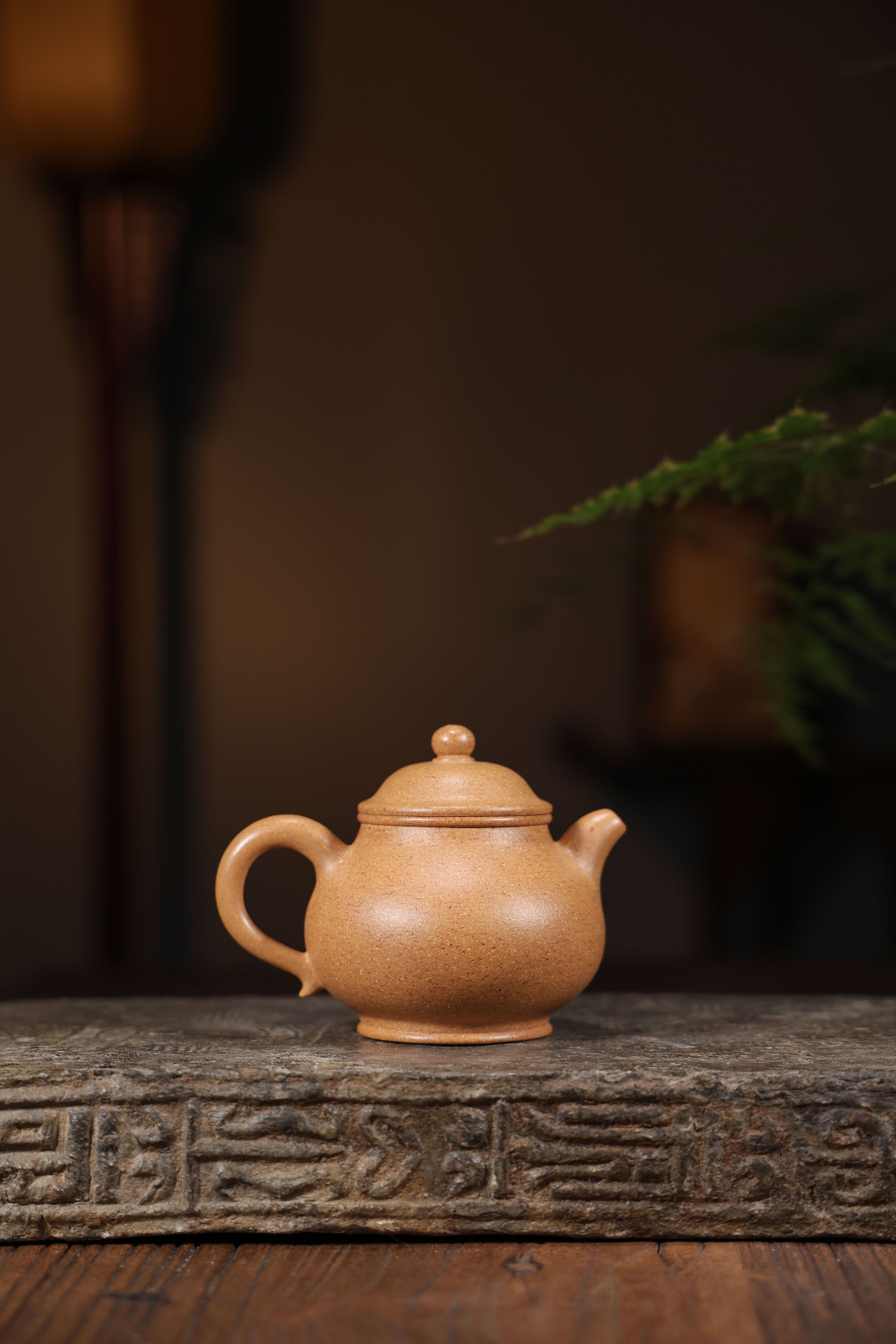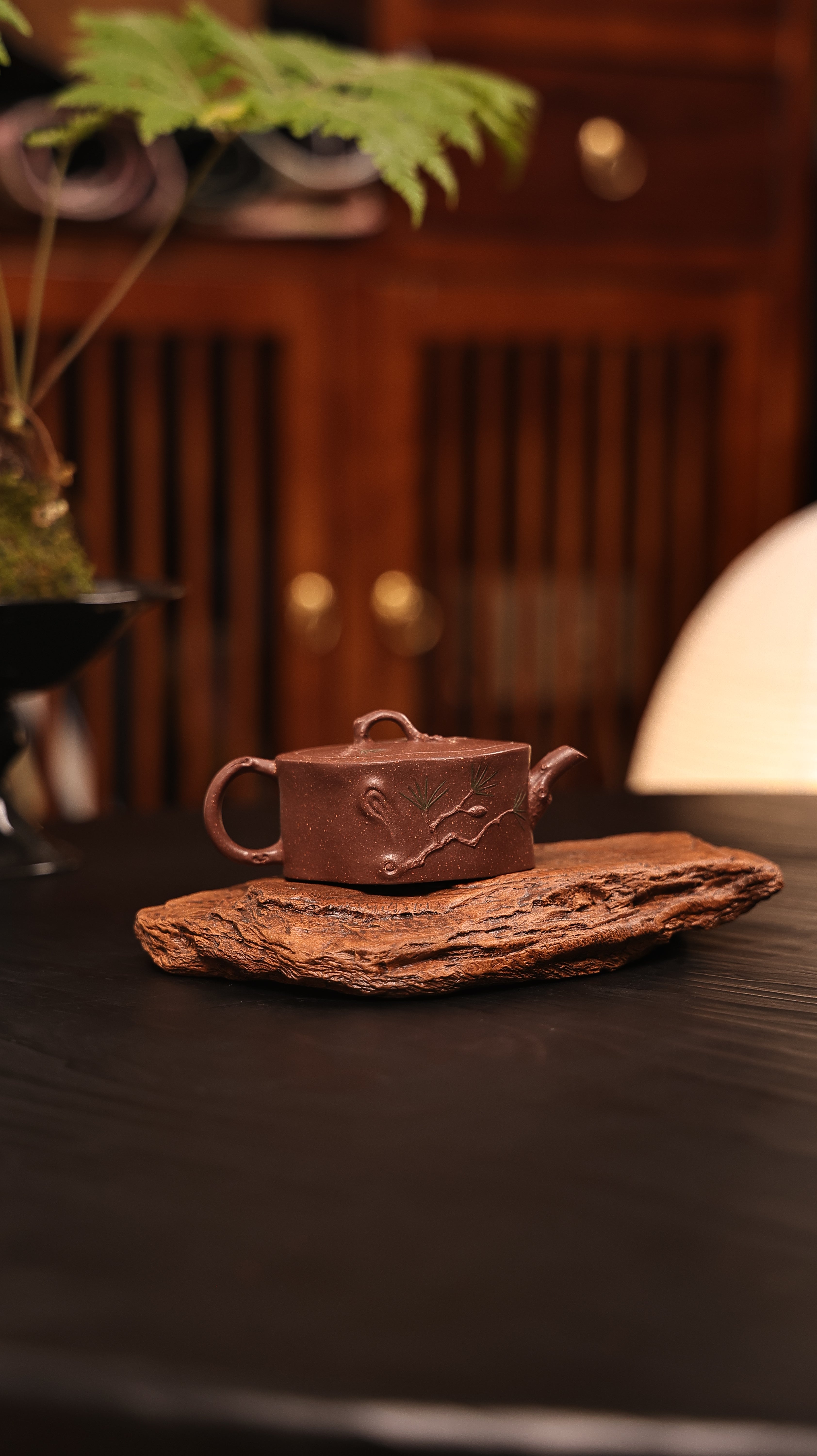
Within the sphere of enduring traditions,
Within centuries, connoisseurs have been enthralled by the uncommon charm of Yixing Zisha teapots. Originating from the region of Yixing in the eastern province, these objects are renowned for their preeminent beauty, extraordinary clay, and built-in ability to refine the note of tea. The clay's distinctive purple-red hue, combined with the artistic craftsmanship of local potters, creates objects that are both functional crafts and esteemed valuables. Purchasing a Zisha teapot is more than just one purchase; it's accepting a rich traditional heritage.
Exploring Yixing Teapots: Background, Types, and Esteem
This Yixing teapots are a notable chronicle deeply intertwined with Chinese culture. Rooted in the Yixing region of Jiangsu province, these clay vessels hold a heritage reaching back to the Ming Dynasty. First examples were functional, but throughout centuries, Yixing teapot building evolved into an esteemed art form. The clay itself, known for its unique vitality and ability to boost the flavor of the tea, exists a defining factor. Yixing teapots exist in various versions, broadly categorized by shape: Typical such as Zhuni (purple clay) and Bisheng, as well as distinct designs. The price of a Yixing teapot is on several factors, including the potter’s distinction, the age of the piece, the rarity of the clay, and its aesthetic charm.- Origins: Ming Dynasty
- Composition: Diverse kinds
- Pricing Criteria: Rarity
Art of Zisha Pottery: Technique and Makers
Distinct formation of a authentic Zisha teapot is a intricate process, requiring multiple cycles of knowledge. Experienced artisans meticulously choose the prime Zisha clay, a specialized earth found only in specific regions of China. Traditional techniques, often bestowed through families, involve careful shaping, sophisticated carving, and steady firing in ancient kilns. The concluding teapot isn't merely a container; it's a testament to inventive vision and the profound connection between the artisan and their legacy. Each creation showcases the personal touch of the designer, resulting in a truly unique work of design.
The Earthenware: Discovering the Extensive Traditions of Yixing Province
This Yixing, found in Jiangsu the province of Jiangsu, is worldwide renowned for its exceptional culinary pots – a tangible representation of centuries of Chinese heritage. These aren't merely vessels for manufacturing tea; they are Purple Clay Teapot intricate works of skill, often reflecting intellectual ideals. A unique purple clay, known as Zisha, possesses distinctive qualities: the clay dense, porous, and imparts a subtle character to the tea.
- Diverse families have honed the techniques of Yixing ceramic making, passing down time-honored methods through successions.
- Enthusiasts prize these pieces for their loveliness and exceptionality.
- Each container tells a account, connecting the partaker to a rich legacy.
Engaging in Yixing Zisha: Essential Tips
Upon looking into obtaining Yixing Zisha earthenware, a range of factors require careful consideration. Primarily, the component's complexion is significant; authentic Zisha usually exhibits a characteristic rust-colored nuance. What's more, review the execution; exacting attributes and a clean veneer manifest skillful workmanship. Finally, research the maker’s background; esteemed names fetch greater values and often provide a better investment.
How to Brew Premium Tea with Zisha Clay
Creating appetizing tea with a Zisha jar is more surpassing a simple technique; it's an mastery. Zisha clay, known for its unique earthen composition, imparts a subtle character to the finished tea that’s often wanting with other implements. The ideal water degree is crucial; typically, milder than what's used for black tea, to protect the tea's essence and quality. Consider meticulously the tea selection; delicate green teas or aged pu-erhs benefit from the Zisha’s ability to reduce their primitive edge. It’s vital to cleanse the teapot before brewing, and to exclude over-steeping. Mastering this skill leads to a authentically exceptional tea experience.
- Realizing Zisha Clay
- Water Warmth & Kind of Tea
- Significance of Pre-heating
Caring for Your Famous Pot
In order to preserve the durability of your precious Yixing earthenware, steady care is fundamentally important. Never using abrasives; instead, softly immerse it with moderately heated liquid. Escape significant swings; please don't situate the kettle directly onto a hot base. Periodically, season the jar by steeping it with superior black concoction, as this assists to amplify its patina and maintains the distinctive features of the clay.
Pertaining to Clay to Mug: The Voyage of a Purple Vessel
The creation of a Zisha teapot is a noteworthy mechanism, a expression to both the environment’s bounty and the artistry of the fabricator. It begins with the precise extraction of the extraordinary clay from the purple Zisha mines in proximity to Yixing. This pristine material, known for its outstanding traits, is then steadily purified and formed for the foundational forming. The pot's contour is artfully crafted using a blend of historical forming methods, often incorporating detailed ornaments. Following hardening, the teapot undergoes a vital first firing, accompanied by a dressing stage, which might involve diverse layers of organic Zisha solutions. Finally, a second, and sometimes third, firing at elevated temperatures solidifies the manufacture, revealing its resolved beauty and exceptional characteristics - a authentic masterpiece, set to beautify a tea practice.
{Yixing Teapots: A Reflection of a Culture and Appreciation
The Yixing region teapots, originating from the well-known Yixing region of Jiangsu province, are far more than mere receptacles for brewing elixirs; they represent a major aspect of Chinese traditions. Constructed from distinctive purple clay – zisha – these uncommon teapots are highly admired for their ability to refine the flavor of the tea and, crucially, for their elegance. The chronicle of Yixing teapot making spans centuries, and the technique involved is entrusted through generations, making each teapot a cultural artifact that embodies lasting techniques and a profound appreciation for the pure pleasures in life.