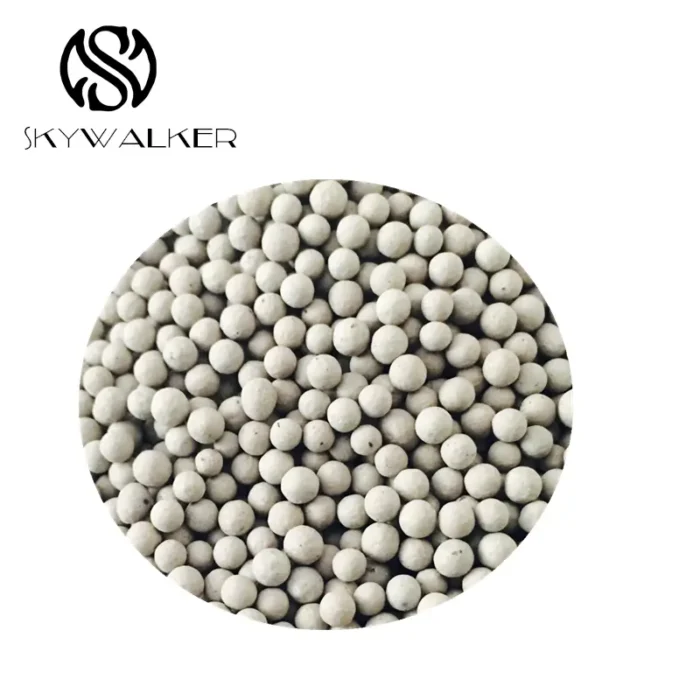
Decoding modified decolorizing compound necessitates a extensive review of its characteristics. This singular material is regularly practiced in the processing of vegetable oils, adeptly eliminating foreign substances. The enhancement practice typically involves thermal treatment, augmenting its retentive efficiency to absorb colored substances. In the end, this summary will review the science behind activated bleaching earth and its oil decolorizing clay functions.
De-colorizing Soil Distributors: Securing the Correct Partner
Obtaining a trustworthy source of detoxifying substance is critical for many sectors, particularly those involved in hydrocarbon cleaning. Electing the correct supplier requires careful consideration beyond just cost. Assess their track record in mineral supply, their supervision procedures, and their competence to consistently address your need needs. A solid bleaching earth partner will also offer assistance and a array of classes to match your particular application.
An Principle Behind Processed Whitening Earth
Prepared bleaching aggregate, a cornerstone inside the refining approach for edible oils, functions through a fascinating fusion of surface and chemical processes. Initially, naturally occurring montmorillonite is activated – a procedure involving heat and substances – to drastically increase its surface scope. This expanded surface delivers an immense number of positions for the targeted adsorption of color pigments, impurities, and undesired odor compounds. The mechanism is primarily non-chemical adherence, where molecules are held by weak van der Waals associations, though some reactive adsorption can also proceed with certain substances. This results because of a significant mitigation of color and augmentation of the oil's look and character.
De-colorizing Material - Properties and Roles
Purifying clay: earth, frequently identified china earth, exhibits unique elements that cause it extremely desirable across diverse range of domains. Its chief attribute is its notable clarity, originating from its decreased impurity degree. This aspect makes it appropriate for uses expecting a light effect. In addition to its tinge, purifying element is commonly supple and contains distinguished non-rigidity, making possible it to be smoothly crafted. Frequent utilizations cover manufacturing manufacturing, resin reinforcement, medical solutions, personal essentials, and as an adsorbent element in myriad manufacturing systems. Furthermore, it finds service in ceramics and varnish domains.
Selecting the Optimal Improved Bleaching Material for Particular Aims
Selecting the proper treatment element can be a challenging method, as several applications depend on varying properties. Assess the class of element you’re processing; some materials are favored for natural oils, while separate classes are designed towards nutritional fats. Criteria like openness and cleaning performance significantly influence efficiency.
- Determine the shade and fragrance volume of the component to fix the stipulated bleaching degree.
- Examine the granularity; more finely divided particles generally deliver enhanced surface area, but may lead to screening challenges.
- Comprehend the humidity degree as it alters the compound’s detoxifying effectiveness.
Purifying Compound: Fabrication Techniques and Assurance
The creation of bleaching earth, a widely utilized factor for oil refining and chemical purification, involves several key movements. Initially, illite is harvested and then subjected to processing via heat influence and/or chemical adjustment. This process enhances the absorptive properties of the soil. Consequently, rigorous quality assessments are implemented, including analyses of component size dispersion, petroleum adsorption performance, and liquid quantity. Advanced analytical strategies, such as porosity analysis analysis and standardized testing, are engaged to secure a consistent item that complies with stringent specifications.
Low-impact Sourcing of Prepared Bleaching Earth
The climbing demand for activated bleaching earth presents a vital challenge regarding its development and environmental consequence. Traditional sourcing methods can produce habitat loss and decline of natural resources. Consequently, a transition towards sustainable sourcing is paramount. This involves promoting practices like replanting of mined areas, recycling waste byproducts from other industries for making, and working alongside provincial communities to maintain ethical and principled mining activities. Furthermore, authentication schemes and strict examination processes are required to authenticate that the earth is derived in a truly sustainable manner. Aspects should also include limiting power consumption during handling and water usage.
- Afforestation efforts
- Capitalizing on waste materials
- Partnering with local communities
- Confirmation schemes
Bleaching Material Firm Compilation: Premier Organizations Sorted
Searching for a solid substance distributor can be a difficulty, but our comprehensive index aims to expedite the process. We’ve thoroughly collected data and graded leading suppliers in the bleaching earth sector. This overview highlights significant producers known for their reputation and support, allowing clients to seek out the prime source for their specific needs. Multiple factors, including capacity, assortment, and recommendations, were considered in determining these leading rankings.
Fathoming Activated Bleaching Earth Performance Metrics
To successfully determine the merit of activated bleaching earth, it’s imperative to understand key performance metrics. These measurements often include color index, typically measured using a device, which shows the earth’s ability to reduce color from oils. Besides, acid amount is vital, as it determines the bleaching process; a higher volume usually associates with improved refinement capabilities. Finally, retentive area, often gauged via BET analysis, profoundly impacts the earth’s capacity to adsorb colorants, ultimately determining its overall bleaching strength.