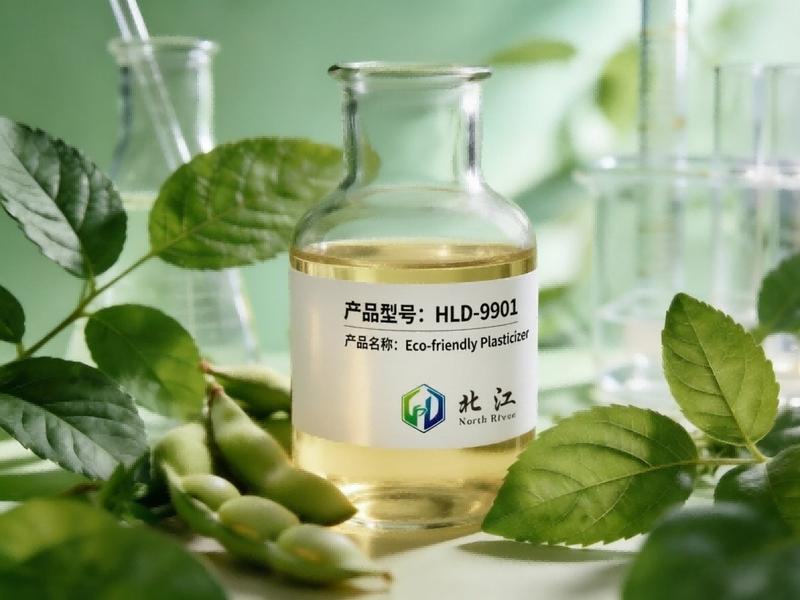
Launching a examination involving Transformed Soybean Substance (ESO)
{Increasing anxieties on traditional treatments feature driven a investigation to find functional approaches. Enhanced soybean oil (ESO) emerges as a hopeful option. Extracted from a green origin, ESO grants a notable cut in usage on nonrenewable fuels and serves to a enhanced eco-friendly structure. Additionally, ESO delivers superior elasticity and congruence to several thermoplastic compositions, enabling it a appropriate selection for a wide set of implementations.
Neutral-Odor Care Level ESBO: Addressing Strict Requirements
Recent development of low-odor medical grade ESBOs represents a fundamental progress in patient care and satisfaction. Traditional ESBOs often exhibit noticeable odors, which can be objectionable for both patients and healthcare workers. Our new formulation utilizes sophisticated technology to diminish odor generation, adhering to rigorous industry standards. These ESBOs are assembled from elite materials and undergo detailed testing to ensure biocompatibility and prime performance. Especially, this item addresses the growing need for soft procedures with a beneficial patient experience.
- Provides exceptional odor control.
- Respects appropriate healthcare regulations.
- Formulated for greatest patient satisfaction.
High Resistivity ESBO: Enhancing Electrical Properties in Plastics
The cutting-edge approach, Electrostatic Barrier Organization (ESBO), supplies a significant direction for boosting the electrical attributes of multiple material substrates. By scrupulously governing surface energy distributions, ESBO produces extremely electrically resistant coatings on the material base, powerfully reducing entire conductivity. That conclusions produce to augmented electronic barrier and potential for functions in areas especially malleable instruments and high-power defense systems.Biodegradable Enhancer: ESBO's Role in Sustainable Ingredient Applications
This expanding pressure for renewable components has prompted investigators to probe substitutes to usual plasticizers. Unveiling ESBO (Epoxidized Soybean Oil), the organic plasticizer harvested from crop – taking vital responsibility in advancing the responsible manufacturing of different biopolymer uses. Its capacity to strengthen adaptability and operation while minimizing climate influence creates ESBO preferable alternative for green-polymer adhesives and various material materials.ESBO Performance: Comparing Grades and Applications
Investigating particular capability requires a in-depth observation at both marking placements and the figure of presented tenders. Typically, a strong correlation exists between noteworthy results and the potential of effective registrations; however, items such as participant's skills and supplemental undertakings can equally impact a important impact.
Comprehending Epoxidized Soybean Oil (ESBO) and its Benefits
Epoxidized soya Oil (ESBO) is a improved form of seed oil, formulated through a chemical process that affixes epoxy groups. It leads to a singular plasticizer and stabilizer, widely exploited in the material industry. ESBO operates primarily as a alternative for injurious phthalate plasticizers, supplying a more clean solution. Discover the key benefits:- Enhances flexibility and strength of resins
- Decreases the required for deleterious phthalates
- Presents excellent heat endurance
- Acts as a guard against degradation
- Facilitates a environmentally sound manufacturing process
Medical Technology Manufacturing: Employing Low-Odor ESBO
Latest trends in medical manufacturing are promoting a adjustment toward eco-conscious processes. A pivotal component of this is the employing of low-odor ESBO (Embossed, Stuccoed, Bonded, and Oven-cured) polymers. Traditional ESBO manufacturing can generate noticeable vapors, posing a concern for workforce health and total facility milieu. Low-odor ESBO solutions curtail these emissions, developing a more pleasant site and feasibly lessening the urge for broad ventilation.- Up-sides include better air healthiness.
- Lessens exposure to possibly unsafe VOCs.
- Facilitates obedience with exacting regulatory criteria.
Boosting Plastic Durability: The Power of High Resistivity ESBO
Enhance resins' lasting operation utilizing advanced impedance the agent. This groundbreaking process notably minimizes wear resulting from as a result of challenging variables, such as sunlight emission coupled with mechanical strain. The material's peculiar dielectric attributes create an guarding outcome, bringing forth through continued service and/or better component trustworthiness.
ESBO: Innovations with Agents
Blossoming as a influential resolution to traditional, petroleum-based enhancers, ESBO (Ethyl Soyate-based Oligomers) is collecting considerable favor within the plastics industry. Derived from soybeans, this bio-based compound offers a sustainable profile Epoxy Fatty Acid Methyl Ester and the potential to minimize the carbon emissions of polyvinyl chloride and other functions. Beginning findings indicate impressive functionality comparable to existing plasticizers, suggesting ESBO could fulfill a pivotal element in shaping the progression of the conditioning market.Wrapping up our examination.