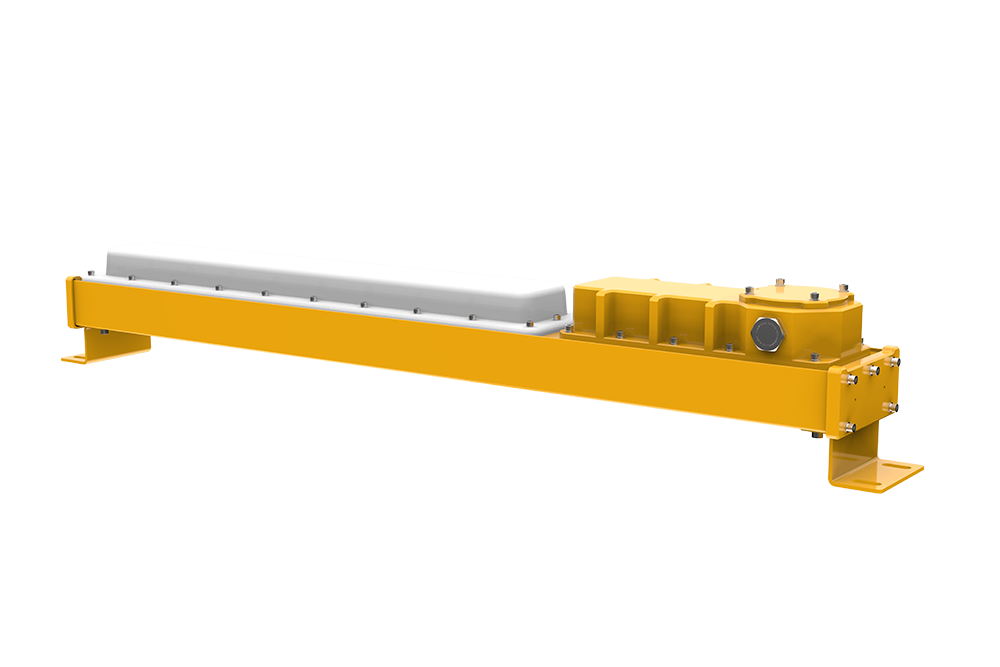
Launching the present treatise studies multiple solutions involving explosion-proof units among production settings.
Operating cautiously among risky places especially manufacturing facilities calls for designed hardware in order to block foreseeable hazards. Explosion-proof illumination systems are paramount parts in such spaces, built to absorb embers, combustible gases, and dangerous conditions. These machines are not intrinsically reliable; alternatively they are manufactured to contain any interior flash or glimmer and stop it from setting off a greater burst in the adjacent region. This manual supplies important insights about explosion-proof units, their functions, and precaution factors for utilizing them correctly.
Appreciating Explosion Proof Lighting Standards
Adhering to certain flammability-rated lighting standards can be complicated, especially about sectors working with hazardous sites. These guidelines – often grounded on official bodies such as the National Electrical Standard (NEC), ATEX (Europe), and IEC – enforce precise design and deployment techniques to mitigate the danger of combustion from non-explosive tools. Understanding the standards is necessary for ensuring laborer safety and meeting with legal mandates.
Luminescent Ignition Resistant Lighting Devices: Productivity & Precaution
LED hazard-resistant lighting units manifest a meaningful improvement over legacy halogen sources in locations where ignitable fumes are available. These strong appliances just yield high-quality power savings, leading to reduced expenses, but importantly ensure a higher scale of defense by mitigating the threat of arcing as a consequence of electric burst}.
Explosion Rated Flammable Area Dangerous Proof Combustion Radiance Burst Resistant} Sources : A Comprehensive Examination
Explosion Certified Hazardous Region Toxic Proof} Illumination are uniquely designed lighting techniques built to execute safely within likely flammable atmospheres. These sturdy fixtures inhibit sparks, energy and electrical streams from initiating a severe explosion. They normally incorporate state-of-the-art designs, utilizing exemplifying closed housings and fundamentally safe wireless items to provide safety codes in businesses like petroleum & hydrocarbon gas processing, refinement plants, excavation operations, and healthcare production.
Opting for the Fitting Ignition-Resistant Illumination for Treacherous Sites
Figuring out the most suitable hazloc luminaries for a intended regulated area demands precise consideration. Criteria such as the classification (e.g., Rating I, II, or III and divisions A) ought to be correctly analyzed to guarantee agreement with relevant danger prevention protocols. Excluding the region's built-in hazards, factor in environmental elements, embracing temperature and wetness, to pick a robust and harmless approach. Frequently confide in a expert expert to help your determination.
Regions Where Exist Explosion Proof Lights?
Explosion-proof otherwise called intrinsically safe|hazardous location|Class-rated} illumination sources are absolutely needed in specific areas where inflammable emissions or residues could potentially create a explosive atmosphere. This commonly includes refinery conversion plants, blemish treatments application areas, flour handling facilities, and industrial treatment facilities. Regulations, such as those from ATEX and ANSI, order their fitting in these locations to avoid the risk of fire and maintain safety stability.
Pros of Photon Emitting in Detonation Safe Systems
Embracing Semiconductor technology for explosion proof lighting offers a significant number of benefits. First, LEDs boast a far longer lifespan compared to traditional incandescent emitters, reducing handling disbursements and cessations. They are also essentially safer, producing attenuated caloric output which curtails the potential of combustion in dangerous atmospheres. Furthermore, semiconductor devices are markedly energy saving, leading to cut electrical power costs and a smaller sustainable environmental cost. Finally, the hardy build of LED components sustains the extreme environments typical of flammability-rated areas.
- Expanded Service Life
- Lower Overhaul Outlays
- Greater Mitigation
- Lesser Electricity Expense
- Strengthened Robustness
Conserving and Reviewing Explosion Proof Lighting Systems
Routine adjustment and exhaustive inspection of fire-safe lighting installations are importantly necessary for ensuring protection and mitigating potential pitfalls. This requires a frequent review of all units, such as luminaires, explosion proof lights ducts, wiring, and affiliated connection boxes. Particularly, verify for wear, mechanical defects, and reliable earthing. What is more, ensure that whole labels are clear and that the illumination devices complies with prescribed norms.
- Execute eye inspections.
- Evaluate electrical joints.
- Certify ignition safety.
Upcoming Trends of Explosion Proof Lighting Technology
Progressing landscape of explosion-proof systems technology predicts a significant shift from traditional designs. Future approaches will steadily incorporate remote capabilities, enabling wide-area monitoring, diagnostics, and adjustable control. We foresee a broadening adoption of photon-emitting technology, not only for its essential energy efficiency, but also its skill to facilitate embedded sensors for monitoring risky conditions. Besides, materials examination is fostering innovations in tough container materials, allowing for slimmer and advanced designs, while continuing the obligatory levels of precaution.
- Elevated battery life for portable applications.
- Integration with predictive maintenance systems.
- Creation of automated lens systems.